
 by
by Way too many of us have lived as if we were separate from the civic body. We are painfully learning that we can’t afford to do that any more. We are engaged in the serious business of saving democracy is Robert Hubbell’s message today:
“(Yesterday) was a big news day that should cause everyone to redouble their efforts to rouse friends, neighbors, and strangers to oppose the dark and dangerous path Trump has charted for America. I believe we can and will prevail, but we must simultaneously act like we have nothing to lose and everything to win. We must be bold, resolute, and willing to step outside of our comfort zone to stop Trump’s effort to break America.”
I’ve always known that I should support businesses that support political positions with which I am in alignment and, to some extent, I’ve done it. No shopping at HobbyLobby. Not a sacrifice. I could take the grandkids to Michael’s. No Chick-fil-A. Heard it’s good but fast food is not my thing so, again, not a sacrifice. Easy-peasy, as my grandson used to say.
Mostly I’ve been lazy and done what is most convenient. That’s not working anymore. Now I’m starting to dig deeper, not only to determine which companies I don’t want to support but at least as important, which companies I do want to support.

- Goods Unite Us vets companies’ political expenditures in federal elections.
- Ethical Consumer invites us to check the ethical ratings of 40,000+ brands and products. I just signed up to receive their free weekly e-newsletter.
- ShopHowYouVote lets you look up companies and big brands to see which political parties they donate money to. Took a quick look at the Movie – Streaming category. Google Play, Netflix, HBO, and Showtime are all “Solidly Left.” Hulu, on the other hand, is “Solidly Right.” Amazon (surprise, surprise) is “Right Leaning,” though that is a relatively new development. It’s not the only company whose pattern has recently changed.
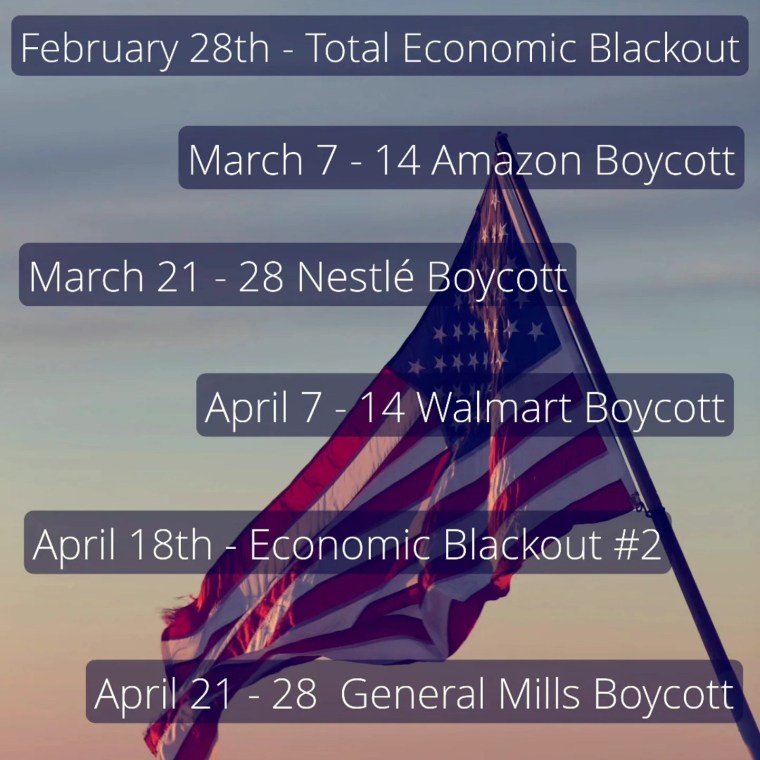
Tomorrow’s economic boycott is no panacea but it’s a step. “The real power is in the message,” says Americus Reed, a marketing professor at the University of Pennsylvania’s Wharton School. “It signals collective dissatisfaction and can create media attention, which is often more impactful than the short-term revenue loss.” Boycotts have made a difference before, including the Montgomery Bus boycott, the Nestlé baby formula boycott, and the international sanctions during South African apartheid. There is a page on the Ethical Consumer site detailing a startling number of successful boycotts, including this one:
“Trump was the target of the Grab Your Wallet campaign, which called for a boycott of Trump and companies supporting him over his approach to issues like climate change and discrimination. According to the campaign website the campaign was “credited with over 70 large companies cutting financial ties with the Trump administration” including Nordstrom, Disney and Pepsi. The boycott call is said to have contributed significantly to Ivanka Trump’s fashion brand closing down. The boycott call ended in November 2020.”
“Cowardice is spreading like a contagious disease. The good news is that courage is also socially transmissible—in a good way. We desperately need people, companies, and institutions to stand up and speak out against Trump’s campaign of ignorance, hate, and greed. Some people are showing us the way. Lift them up! Support them! Follow their example.” — Robert Hubbell

Discover more from Ruth Neuwald Falcon
Subscribe to get the latest posts sent to your email.
 Ruth Neuwald Falcon
Leave a comment